
This year we received hundreds of submissions to our Prose Reading Period. We are excited to announce that we are accepting three manuscripts for publication in 2028! Read more about each of the manuscripts below:
The First Third by Isis Awad
The First Third is written in a sharp-witted, hilarious, sometimes wayward first-person that addresses subjects including abjection, ambiguous intimacies, and its author’s own artistic impulses. From Cairo to the United States, Isis Awad follows shame to find something much brighter, stranger, more revelatory; a “wild, wet, consensual truth” that’s also a riposte to traditional trans narratives, adamant about “unlearning linearity.”
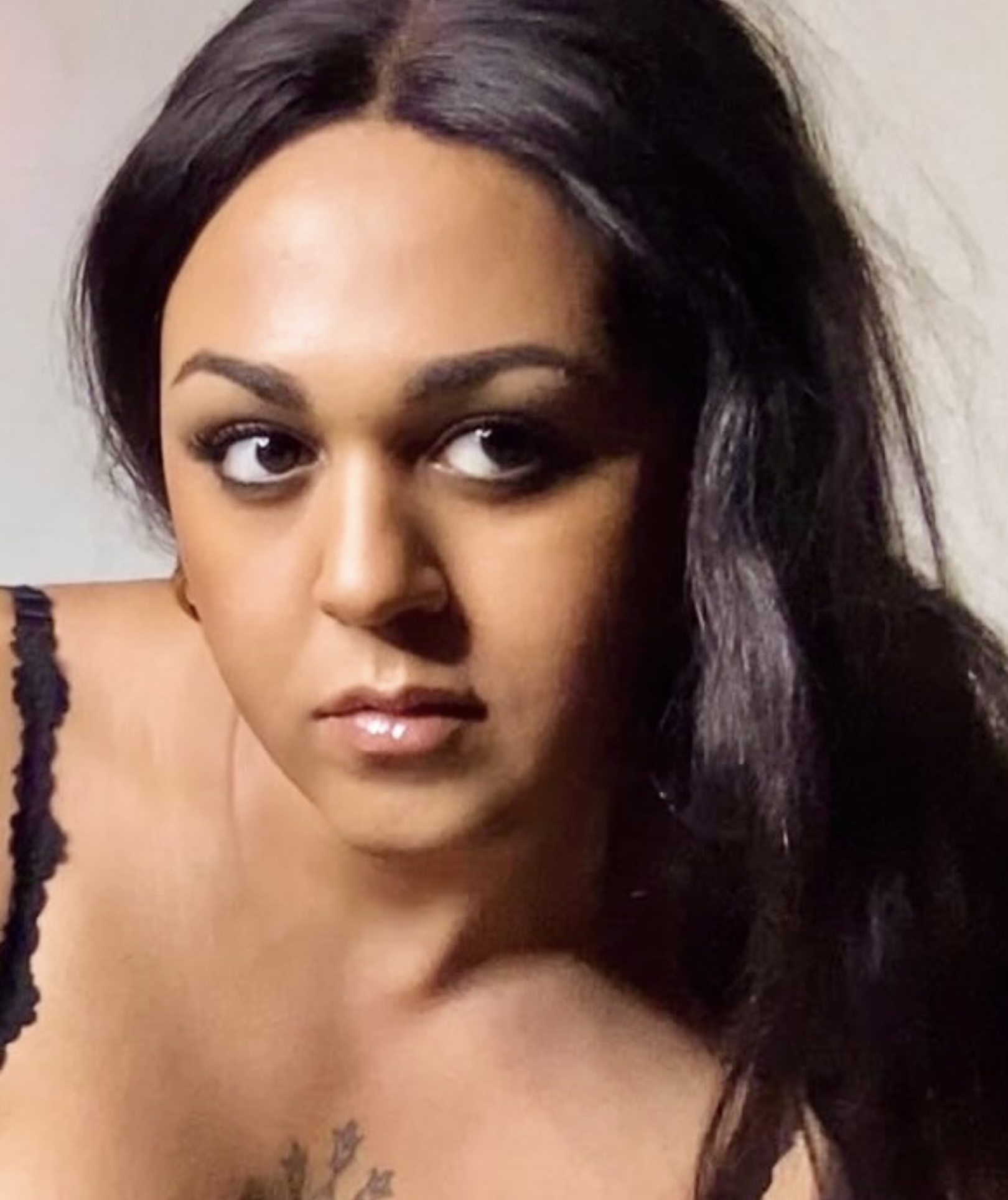
Isis Awad is a curator, poet, and DJ from Cairo, Egypt based in the U.S. between New York and Arizona. In 2020 she founded Executive Care*, a non-profit curatorial agency at the service of trans and queer artists of color from performance and nightlife communities. Her prose and writing have appeared in publications such as BOMB, Movement Research Journal, and ART PAPERS. She is currently Editor at PARTICIPANT INC, NY.
The Criminal by Leslie Kaplan, translated from French by Julie Carr and Jennifer Pap
“Jenny thinks that she will never again be able to look at the night alone, without Louise.” Sparse, precise, poetic–The Criminal by Leslie Kaplan is a lesbian love story written in a pristine and effortless prose that could only have come from the 70s, a la Marguerite Duras or Clarice Lispector. Set at an unnamed psychological institute outside Paris based on the La Borde Clinic where Kaplan volunteered in the 70s–two volunteers, Jenny and Louise, fall in love with aching subtlety, while patients, volunteers, doctors, and staff live, eat, and make art together around them. A rare, crisp read, The Criminal is beautifully translated from the French by Julie Carr and Jennifer Pap.
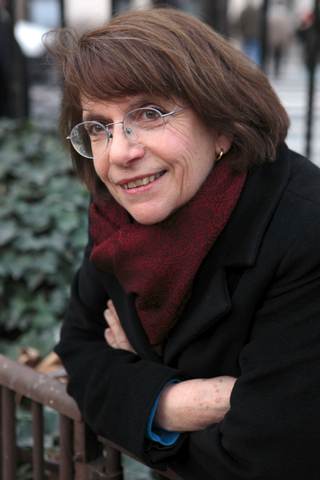
Leslie Kaplan was born in New York in 1943, raised in Paris in an American family, and writes in French. After studies in philosophy, history and psychology, she worked for two years in a factory and participated in the May 1968 movement and general strike. From the beginning of her writing career, she has been an important writer of the French left, gaining the attention of writers such as Marguerite Duras and Maurice Blanchot for L’Excès-l’usine / Excess – The Factory. Since that volume, a stark poetic evocation of factory work, she has published over twenty books: poetry, novels, theatre, and essays, many of them translated into Italian, Romanian, Greek, German, Swedish, Spanish, Danish, Dutch and Norwegian, as well as English. She has written numerous columns for the French newspaper Libération and contributes blogs to the online French news organ MédiaPart. Kaplan received the Prix Wepler in 2012 for Millefeuille and the Grand Prix de la SGDL 2017 for her collected work.
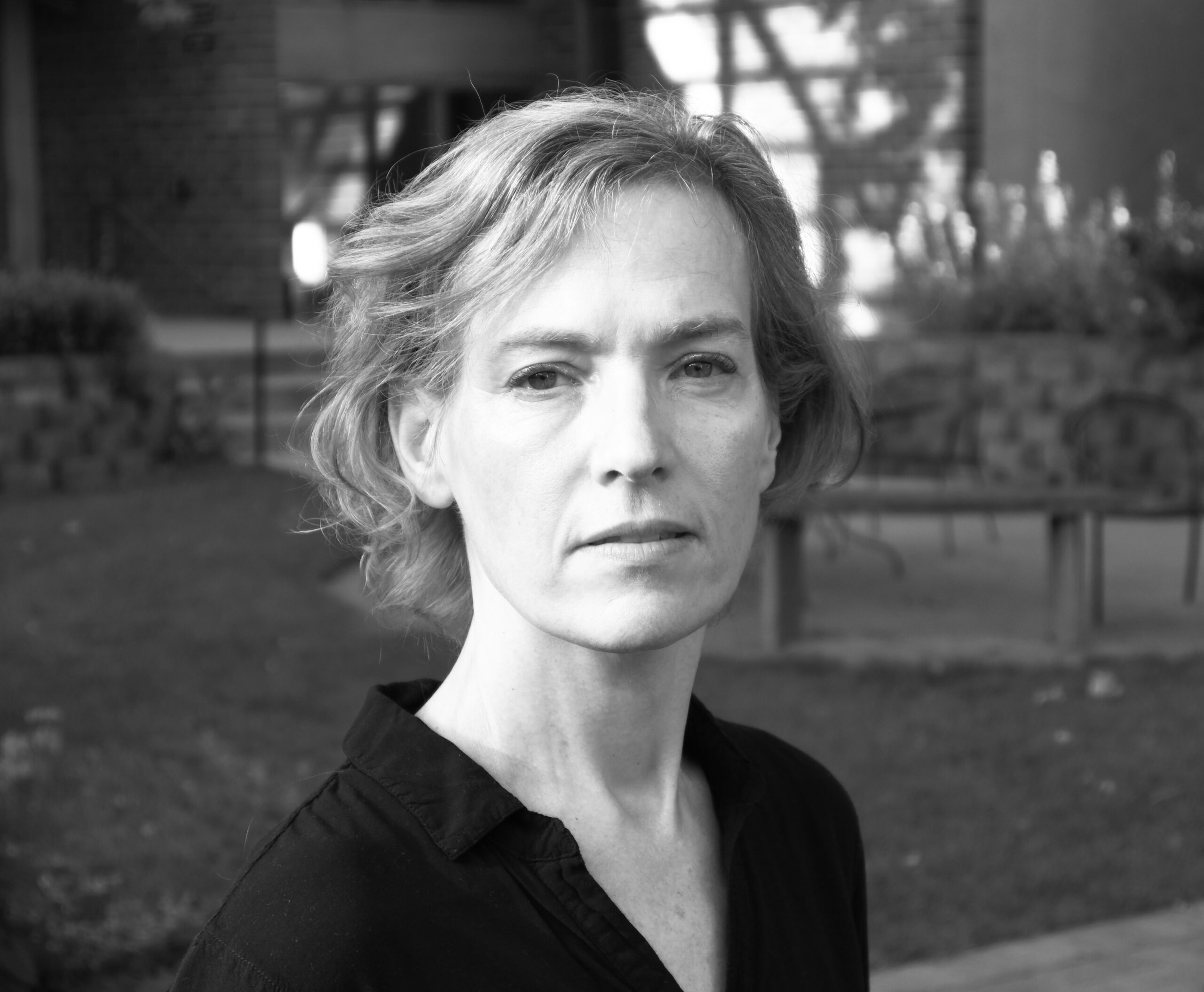
Julie Carr is the author of over fifteen books of poetry, prose, and co-translation. Her most recent books are The Garden; Underscore; Mud, Blood, & Ghosts: Populism, Eugenics, & Spiritualism in the American West; & Real Life: An Installation. Overflow, a trilogy, will be published sequentially over the next few years. With Jennifer Pap, she has translated Leslie Kaplan’s Excess-The Factory and The Book of Skies. She lives in Denver where she co-runs Counterpath, teaches at the University of Colorado Boulder, & hosts the podcast “Return the Key: Jewish Questions for Everyone.”
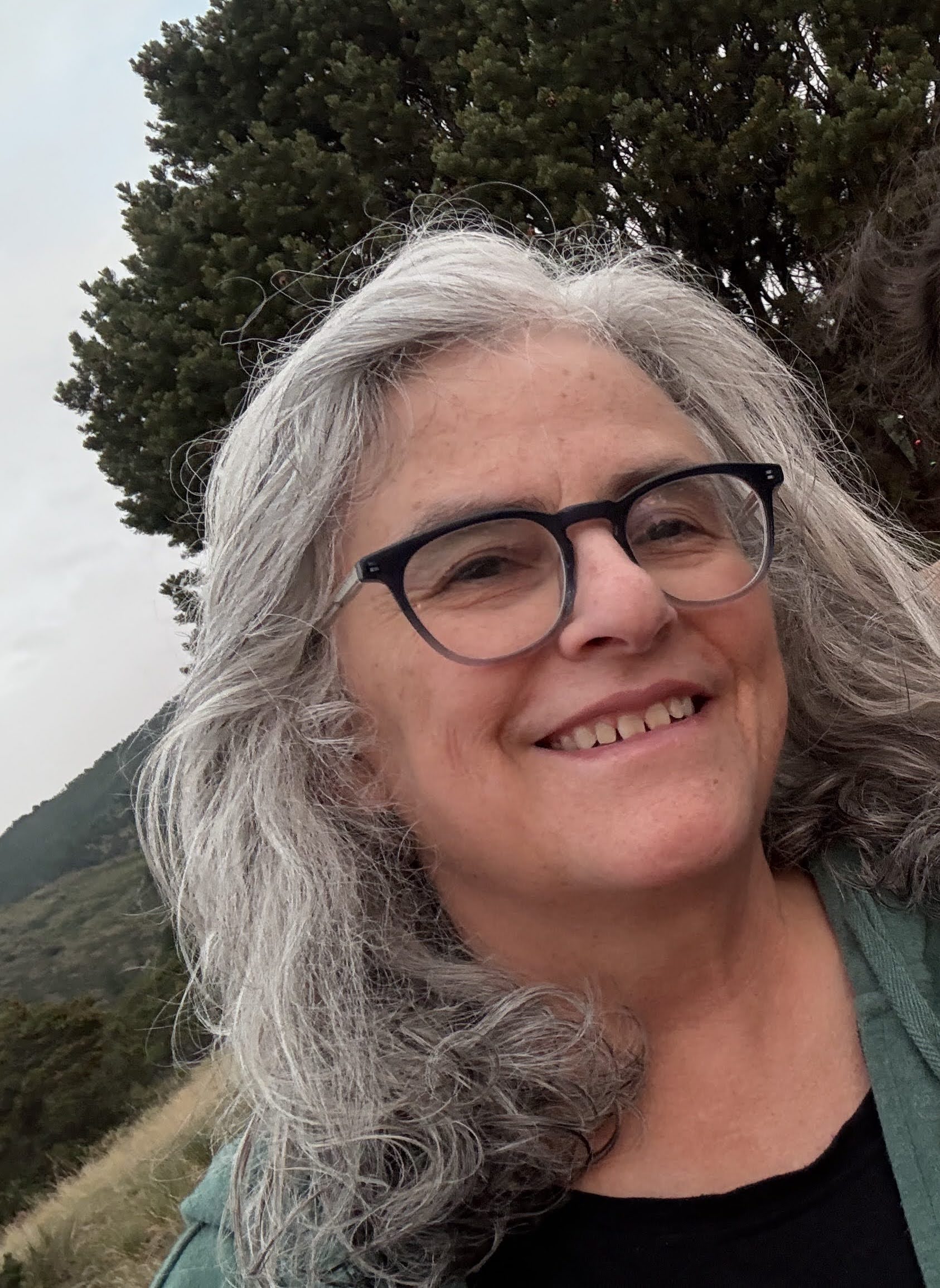
Jennifer Pap teaches French and Francophone Studies at the University of Denver. She has written articles on a number of 20th and 21st century French poets, including Guillaume Apollinaire, Dominique Fourcade, René Char, and Leslie Kaplan. As well as translating Leslie Kaplan’s: Disorder: A Fable (AK Press, 2020) and Miss Nobody Knows (Tripwire Editions, June 2025), she has collaborated with poet Julie Carr to translate Kaplan’s L’Excès-l’usine (Commune Editions, May 1, 2018), The Book of Skies (Pamenar Press, 2024), and The Criminal (forthcoming).
Half Urn, Half Grail by Melanie Kitti, translated from Danish by Maria Catalina Heitmann
Half Urn, Half Grail is set in a cemetery, or something close to one. The language is, like the landscape, stark and bald and frighteningly beautiful. (“I heard about someone who lived in a castle. They filled each other’s ears with iron.”) The child at its center describes her household rituals, ledger-like in her account of the crude, curious, awful objects around her (such as “mattresses filled with the hair of the dead”), all of which are crafted with an artist’s affection for form and texture. The translation leaves all of its own mysteries intact.
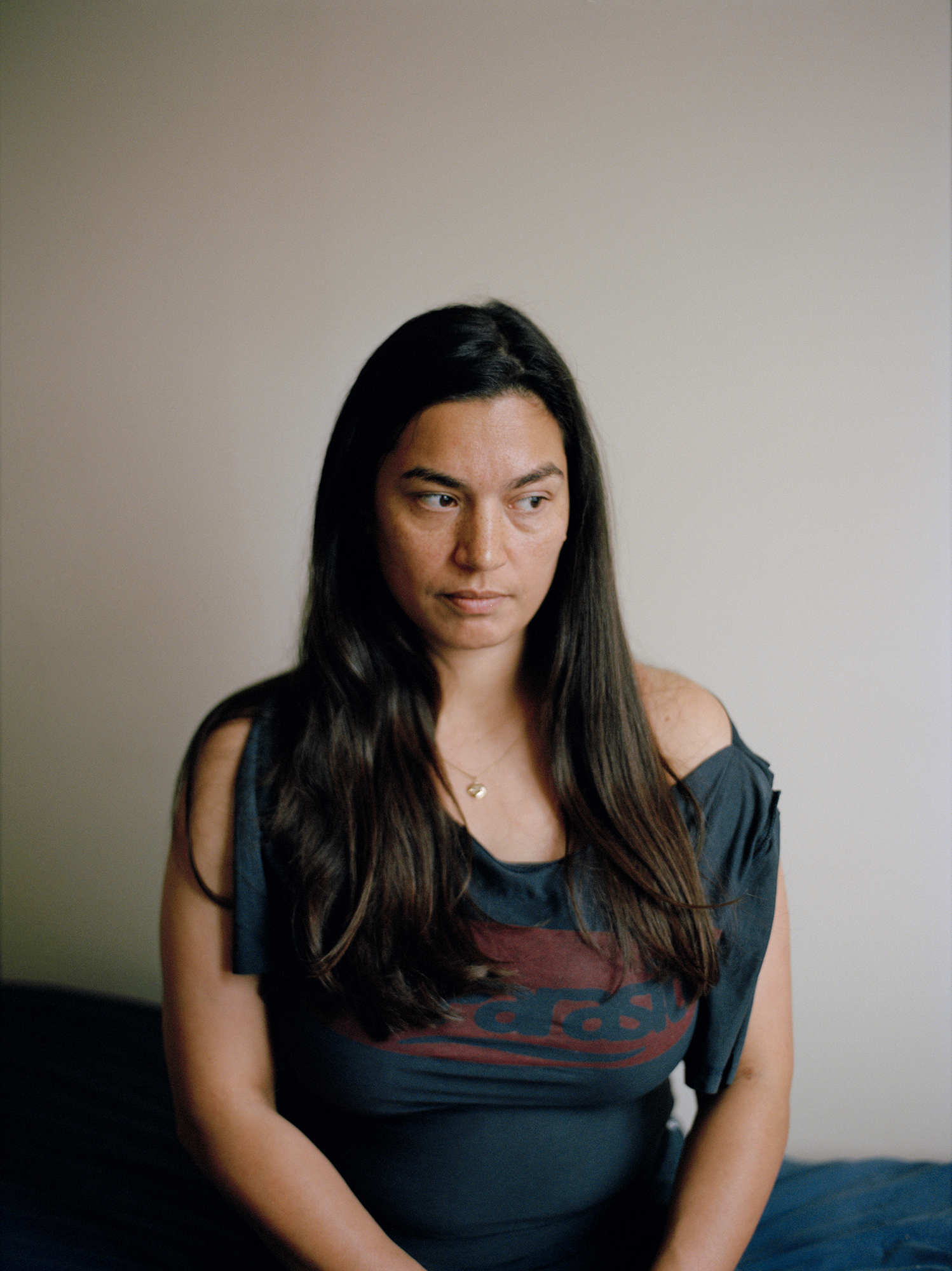
Melanie Kitti (b. 1986, Sweden) is an artist and author, educated at the Academy of Creative Writing in Copenhagen and the Royal Danish Art Academy in Copenhagen and the Academy of Fine Arts in Oslo. Half Urn, Half Grail is her debut collection. She has since published the bilingual poetry collection borte – borta at The Laboratory for Aesthetics and Ecology and is a contributor to the anthology “Hjertet er en fold med heste”, a collective work about the relation between psychiatry and literature, published at Amulet Forlag. Kitti has co-founded Abhivyakti, a non-profit magazine with only BIPOC contributors, and has co-organized the exhibition space Destiny’s in Oslo (2016–22). She is the recipient of the Artist’s Stipend from the Bernadotte Foundation, 2024, the Artist’s stipend from the Nimb Foundation, 2023 and The Exhibition Prize awarded by the Danish Art’s Foundation, 2023.
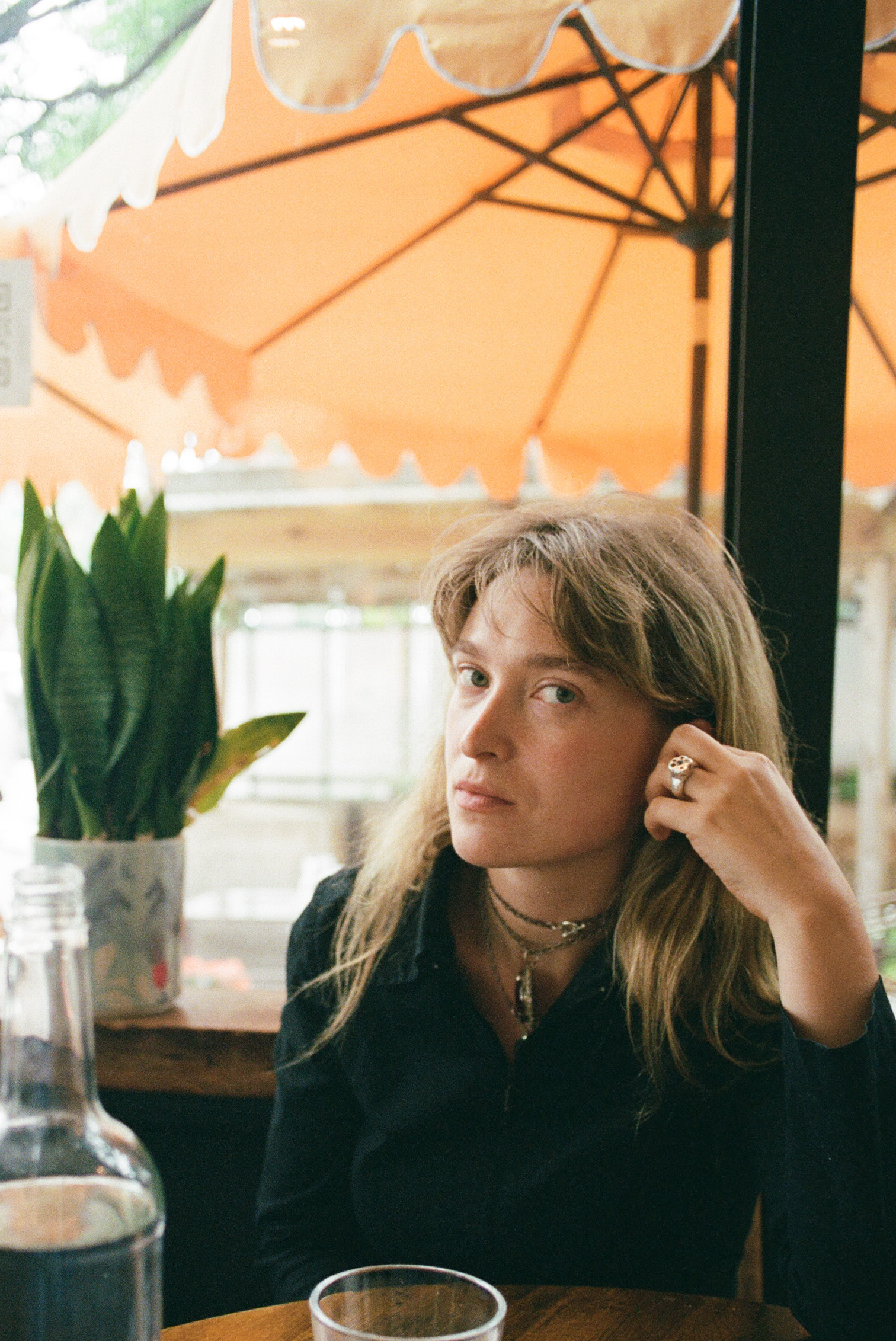
Maria Catalina Heitmann, b. 1994, is a poet, translator and editor living in Copenhagen. She has been running the independent press Arena alongside her co-editors since 2018 and has translated numerous works of poetry, fiction, hybrid forms and artist books. Her writing appears in magazines both in English and Danish, including Second Factory, Ordkonst, Pralin, Smørhesten, and Beijing-Trondheim. She is the recipient of the F. Hendriksen medal 2025 and was nominated for Stiftung Buchkunst’s Best books of the world award in 2024. She translates between Danish, Spanish, German, and English. Her latest translations include Paul B. Preciado’s Testo Junkie, Fernanda Melchor’s Paradais and Alejandra Pizarnik’s Diana’s Tree.
We would also like to highlight these eight inspiring manuscripts:
The Leader by Ripley Mandanis
Death doesn’t know geography like dreams do by Noor Tannir
Two Wax Mannequins Melting in a Hotspell by Moira Brown
A Curious Vexation by Jasmine Amussen
entrails and ephemera or the limbs of the poet or “Quite Unreadable” by Palvashay Sethi
Tell Me Everything Will Be Okay by Jenni Olson
Blueprint of a Burning House by Liana Fu
The Distinct Feeling That I’d Like To Smoke A Glass Of Wine by Courtney Bush
Thank you to this years prose period readers:
Gia Gonzales
Terrance Hudson
Tal Mancini
stevie redwood
Tyler Patton